Strawberry Cold Cup
A Sweet, Seasonal Design That Works—If You Use It Right
As someone who’s stitched hundreds of embroidery files for clients, Etsy shops, and boutique merchandise, I opened Strawberry Cold Cup expecting cheerful summer energy—and got it. But more importantly, I asked: *Does this hold up under needle and thread?* Not just in theory, but on a real tote bag lined with canvas, or a baby onesie that’ll survive gentle wash cycles? Let’s walk through it like we’re prepping for a client deadline—not browsing a digital catalog.
First Impressions: Bright, Balanced, and Built for Warm Weather
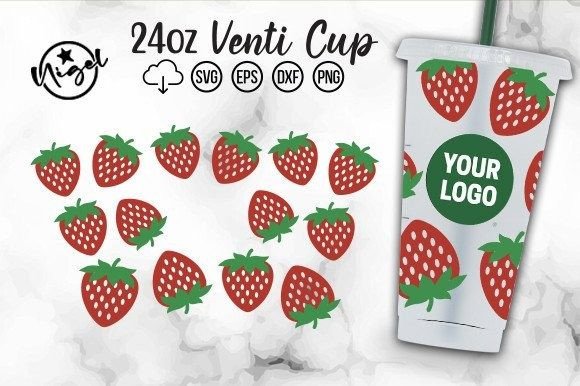
The Strawberry Cold Cup design reads instantly: a ripe strawberry wrapped around the curve of a tall cold drink cup—think Venti 24oz size—with leaves, subtle highlights, and clean outlines. It’s not overly detailed, but it’s not flat either. There’s thoughtful spacing between elements, a gentle taper on the stem, and enough visual rhythm to keep the eye moving without getting lost. It feels like a machine embroidery design made by someone who’s actually stitched before—not just drawn in vector software.
I immediately pictured it on a natural linen tea towel for a small-batch kitchen shop. Or on a lightweight cotton sweatshirt for a farmers’ market pop-up. The mood is friendly, approachable, and seasonal—not cutesy, not corporate. That matters when you’re building brand consistency across handmade products.
Where It Shines (and Where It Needs Care)
This isn’t a one-size-fits-all file. Strawberry Cold Cup excels where clarity and charm intersect:
- Tote bags and aprons: Its full-wrap layout wraps naturally around curved surfaces—no awkward stretching or distortion if hooped correctly.
- Sweatshirt embroidery: The moderate stitch density holds well on mid-weight fleece or French terry, especially with light-to-medium stabilizer.
- Personalized gifts: Pair it with a monogrammed initial or a simple “Summer ’24” tagline—it reads as intentional, not cluttered.
- Embroidered patch potential: Clean edges and defined zones make it easy to digitize into a sew-on or iron-on version.
But here’s where experience kicks in: avoid using Strawberry Cold Cup on ultra-thin fabrics like rayon challis or stretchy knits without testing first. The leaf details and cup rim rely on crisp satin stitch definition—those can blur or pucker if the fabric shifts under tension. And while it’s labeled a Full Wrap Design, don’t assume it auto-adjusts for caps or curved brims. Test hoop placement on a spare cap blank before committing.
Real-World Stitching Notes You’ll Actually Use
Last week, I prepped a batch of embroidered pillow covers for a local nursery boutique. I ran Strawberry Cold Cup on scrap cotton twill first—same fabric, same stabilizer, same thread colors I planned to use. Here’s what stood out:
- Stitch density is moderate—not so dense it’ll stiffen delicate baby embroidery, but dense enough to feel substantial on a kitchen towel.
- The strawberry’s highlight is a subtle running stitch accent—not a fill stitch—so it stays legible even at smaller scales.
- It doesn’t rely on tiny lettering or micro-details, which means fewer re-hooping headaches on textured fabrics.
- On dark fabric, I swapped to ecru thread for the highlights and deep red for the berry—thread color contrast made all the difference in visual pop.
Also worth noting: because this is a digital embroidery file (not a physical product), always check your machine’s max hoop size against the design dimensions before stitching. And yes—review the license. If you’re an Etsy seller or run a craft business, confirm whether resale of finished items is permitted. Some Graphics files allow commercial use; others don’t. Don’t assume.
How It Elevates Your Finished Product—Beyond Just Looks
Customers don’t buy stitches—they buy confidence, care, and cohesion. When Strawberry Cold Cup lands cleanly on a custom apparel piece, it signals professionalism. On a holiday gift set? It adds warmth and intentionality. In a boutique lineup? It reinforces a seasonal, handcrafted aesthetic—without shouting.
I’ve seen similar designs fail because they overpromise detail or ignore fabric behavior. Strawberry Cold Cup avoids that trap. It’s generous with negative space, forgiving in execution, and visually cohesive at multiple sizes—from 3" wide on a cap to 7" across a tote. That flexibility makes it a smart design asset for small shop owners juggling dozens of SKUs.
A Few Practical Must-Dos Before You Stitch
Before sending Strawberry Cold Cup to your machine, do these five things:
- Test on scrap fabric—same type, same stabilizer, same thread colors.
- Check small details in both black-and-white and color mockups—some highlights vanish on dark backgrounds.
- Confirm hoop size and adjust if needed; don’t force-fit it into too-small hoops.
- Use proper stabilizer: medium cutaway for knits, tear-away for stable wovens, fusible for lightweight layers.
- Review licensing—especially if you plan to sell finished items or bundle it into a digital product pack.
This isn’t just another Crafts download. It’s a tool—one that works best when paired with intention, testing, and attention to how real people will hold, wear, and wash the final piece. Whether you’re an embroidery designer, small shop product creator, or creative entrepreneur, Strawberry Cold Cup earns its place in your working library—if you treat it like a collaborator, not just a file.